
Pacemakers and ICDs
Heart rhythm disorders can significantly affect your health, safety, and quality of life. Conditions such as bradycardia, heart block, or life-threatening ventricular arrhythmias may require advanced cardiac device therapy to maintain a stable and reliable heartbeat. At Pioneer Medical Associates, we provide comprehensive evaluation, implantation coordination, and long-term management of Pacemakers and Implantable Cardioverter Defibrillators (ICDs) for patients in Frisco, Sherman, Carrollton, and surrounding North Texas communities.
Our experienced cardiology team uses advanced diagnostic testing and evidence-based treatment strategies to accurately diagnose arrhythmias and determine whether device therapy is appropriate. From initial consultation and risk assessment to post-implant monitoring and device optimization, we deliver personalized, patient-centered care designed to protect your heart rhythm and reduce the risk of serious complications. Our goal is to help you live safely, confidently, and with improved overall heart function.
What Are Pacemakers & ICDs?
Pacemaker
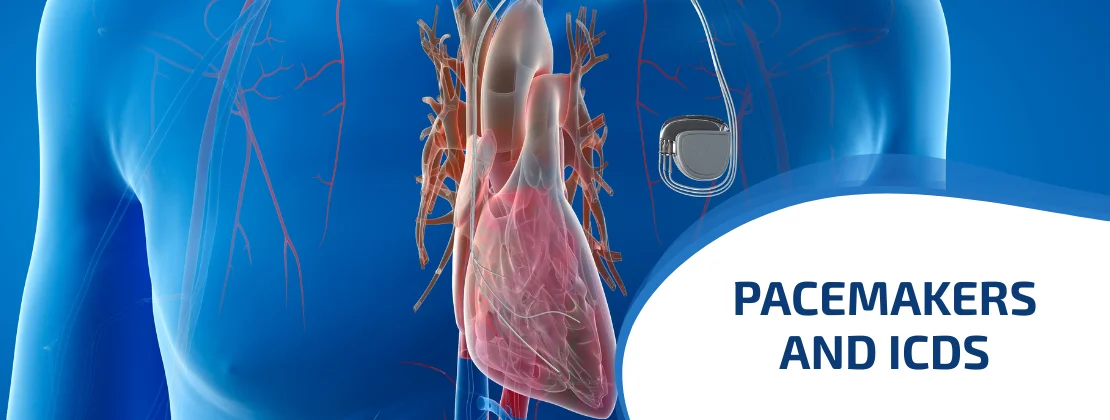
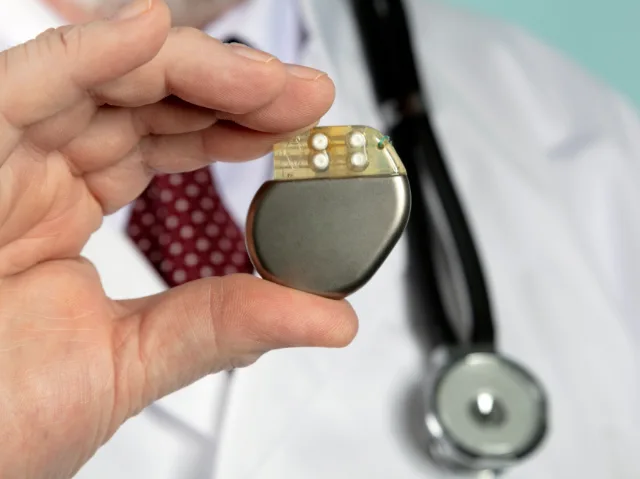
A pacemaker is a small implanted device that helps regulate slow or irregular heart rhythms (bradycardia). It sends electrical signals to prompt the heart to beat at a normal rate.
Implantable Cardioverter Defibrillator (ICD)
An ICD monitors heart rhythm and can deliver a life-saving shock if a dangerous arrhythmia, such as ventricular tachycardia or ventricular fibrillation, occurs.
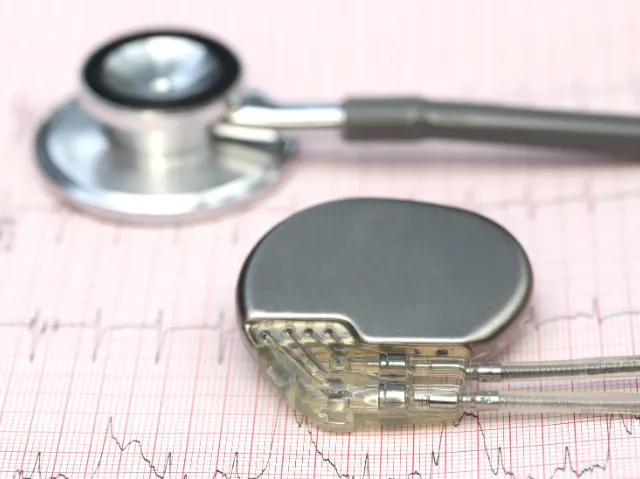
Both devices are implanted under the skin near the chest and connected to the heart via leads. They continuously monitor heart rhythm and respond automatically when needed.
Benefits of Pacemakers & ICDs
Pacemakers and ICDs can provide critical heart rhythm support, and with proper monitoring and care, these devices offer reliable, life-saving protection, including:

Restore normal heart rhythm

Prevent fainting episodes

Reduce risk of sudden cardiac arrest
Improve energy and daily functioning

Enhance overall quality of life
Conditions Treated with Pacemakers & ICDs
Pacemakers and ICDs may be recommended for:
- Bradycardia (slow heart rate)
- Heart block
- Atrial fibrillation with slow response
- Ventricular tachycardia
- Ventricular fibrillation
- Heart failure with arrhythmia risk
- Sudden cardiac arrest prevention
Early evaluation and appropriate device therapy can prevent serious complications and improve long-term survival.
Our Pacemaker & ICD Services
At Pioneer Medical Associates, we provide a comprehensive approach to cardiac device management focused on accurate diagnosis, safe implantation coordination, and long-term device monitoring to ensure optimal heart rhythm control, including:
Heart Rhythm Evaluation
- ECG (electrocardiogram)
- Holter monitoring
- Stress testing
- Echocardiography
Device Implantation Coordination
- Pre-procedure evaluation
- Hospital coordination with cardiology specialists
- Patient education before implantation
Device Monitoring & Follow-Up
- Routine device checks
- Remote device monitoring
- Battery life assessment
- Lead function evaluation
- Programming adjustments
Ongoing Cardiac Care
- Arrhythmia management
- Heart failure management
- Medication optimization
- Long-term cardiovascular risk reduction
Why Choose Pioneer Medical Associates for Cardiac Device Care
Patients in Frisco, Sherman, and Carrollton trust Pioneer Medical Associates for:
- Experienced cardiology team
- Advanced heart rhythm diagnostics
- Personalized treatment planning
- Coordinated hospital and specialist care
- Ongoing device monitoring and follow-up
- Compassionate, patient-centered approach
We are committed to delivering comprehensive, high-quality cardiac care close to home.
What to Expect at Your Visit
Your evaluation may include a comprehensive assessment and diagnostic testing, and we prioritize patient education so you fully understand your condition and device therapy, including:
01.
Comprehensive Assessment
Review of symptoms such as dizziness, fainting, palpitations, or fatigue.
02.
Diagnostic Testing
ECG and other monitoring tools to detect rhythm abnormalities.
03.
Personalized Treatment Plan
Determination of whether a pacemaker or ICD is appropriate.
04.
Ongoing Monitoring
Scheduled device checks and follow-up appointments to maintain safety and performance.
Insurance & Accessibility
Most major insurance plans cover pacemaker and ICD evaluation, implantation, and follow-up care when medically necessary. Our team can verify your benefits and help guide you through the process.





Schedule Your Chest Pain Evaluation
If you are experiencing symptoms of an irregular heartbeat or have been advised to consider device therapy, Pioneer Medical Associates offers expert evaluation and ongoing management in Frisco, Sherman, and Carrollton, TX. Protect your heart rhythm — with expert, trusted cardiac care.
Frequently Asked Questions
Pioneer Medical Associates provides comprehensive pacemaker and ICD evaluation, monitoring, and follow-up care for patients in Frisco, Sherman, Carrollton, and surrounding North Texas communities.
A pacemaker helps regulate a slow or irregular heartbeat by sending electrical signals to maintain a normal rhythm. An implantable cardioverter defibrillator (ICD) monitors heart rhythm and can deliver a shock if a life-threatening arrhythmia occurs.
You may need device therapy if you have symptoms such as fainting, dizziness, slow heart rate, or dangerous arrhythmias. A thorough cardiac evaluation, including ECG and heart monitoring, helps determine if a device is appropriate.
Implantation is typically performed in a hospital setting under local anesthesia with sedation. Most patients go home within a day and recover quickly with proper follow-up care.
Device batteries typically last 5–12 years, depending on the type and usage. Routine monitoring helps ensure timely battery replacement when needed.
If an ICD delivers a shock, it may feel like a sudden jolt. While it can be uncomfortable, the shock is life-saving and restores normal heart rhythm during dangerous arrhythmias.
Yes. Most patients return to normal daily activities after recovery. Your provider will give specific guidance regarding exercise, travel, and device precautions.
Most major insurance plans cover medically necessary evaluation, implantation, and follow-up care. Our staff can help verify your coverage before your appointment.