
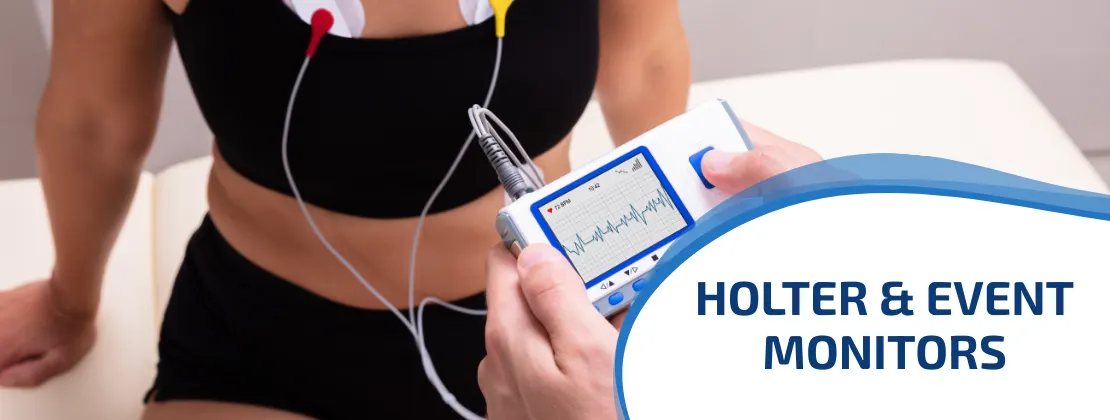
Holter & Event Monitors
Irregular heart rhythms can be unpredictable and sometimes difficult to detect during a routine office visit. Symptoms like palpitations, dizziness, fainting, or unexplained fatigue may occur intermittently, making accurate diagnosis challenging without extended monitoring. At Pioneer Medical Associates, we provide comprehensive evaluation and advanced diagnostic testing with Holter Monitors and Event Monitors for patients in Frisco, Sherman, Carrollton, and surrounding North Texas communities.
Our experienced cardiology team uses extended heart rhythm monitoring to accurately identify arrhythmias, correlate symptoms with rhythm disturbances, and develop a personalized treatment plan tailored to your cardiovascular health needs. From initial consultation to detailed rhythm analysis and follow-up care, we are committed to delivering precise, patient-centered cardiac diagnostics that support long-term heart health and peace of mind.
What Are Holter & Event Monitors?
Holter Monitor
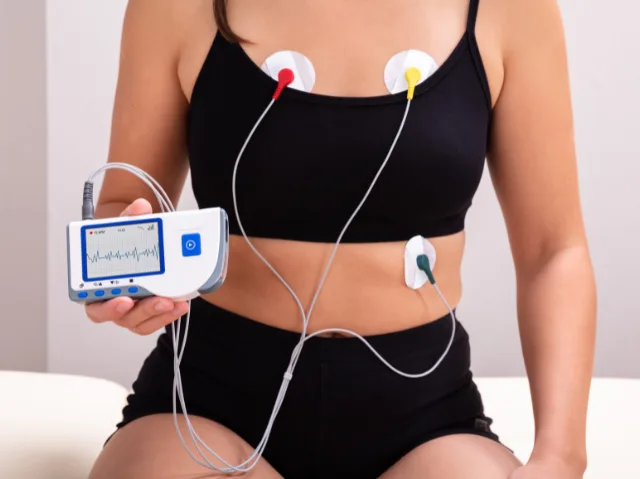
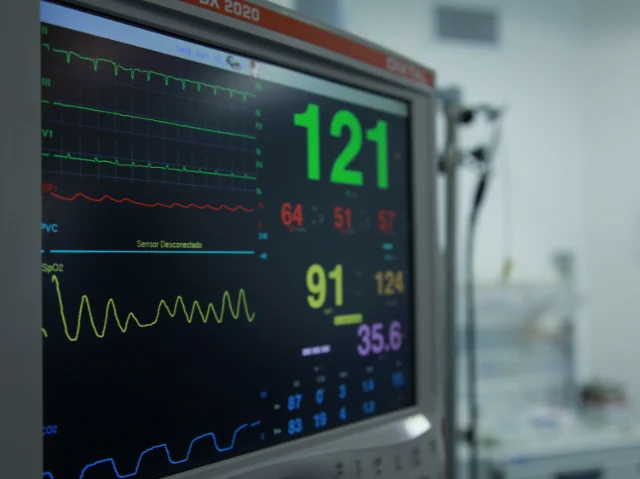
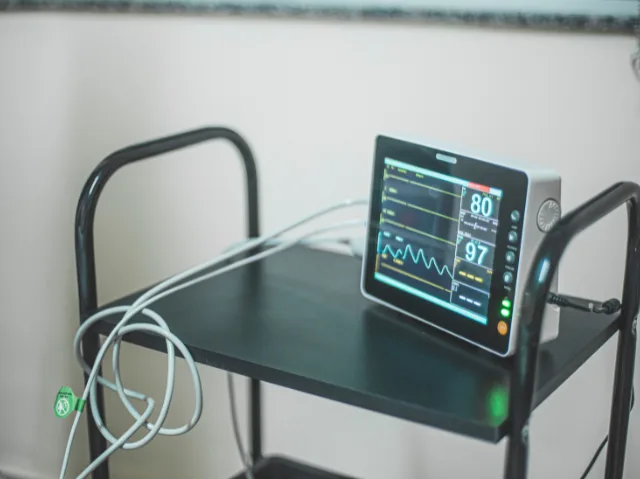
A Holter monitor is a small, wearable device that continuously records your heart’s electrical activity for 24–72 hours. It is ideal for detecting frequent or daily irregular heart rhythms.
Event Monitor
An Event monitor is used for longer-term monitoring (often up to 30 days). It records heart rhythms when triggered by symptoms or automatically when abnormal rhythms are detected.
Both devices are non-invasive, painless, and allow you to continue most normal daily activities while monitoring occurs.
Why Heart Rhythm Monitoring Matters
Heart rhythm abnormalities can cause serious complications, and since many are intermittent and not detected on a routine ECG, Holter and Event Monitoring help capture these irregularities during daily activities, including:
Atrial fibrillation
Bradycardia (slow heart rate)
Tachycardia (fast heart rate)

Premature beats

Syncope (fainting episodes)
Symptoms That May Require Heart Rhythm Monitoring
You may benefit from Holter or Event Monitoring if you experience:
- Palpitations or fluttering heartbeat
- Dizziness or lightheadedness
- Unexplained fainting (syncope)
- Chest discomfort related to activity
- Shortness of breath with irregular rhythm
- Fatigue or weakness
Holter and Event Monitors help correlate these symptoms with your heart rhythm to identify underlying causes.
Our Holter & Event Monitoring Services
At Pioneer Medical Associates, we provide a comprehensive approach to heart rhythm monitoring focused on accurate diagnosis and coordinated cardiac care, including:
Heart Rhythm Evaluation
- Symptom review and risk assessment
- Baseline ECG testing
- Determination of appropriate monitoring device
Device Placement & Education
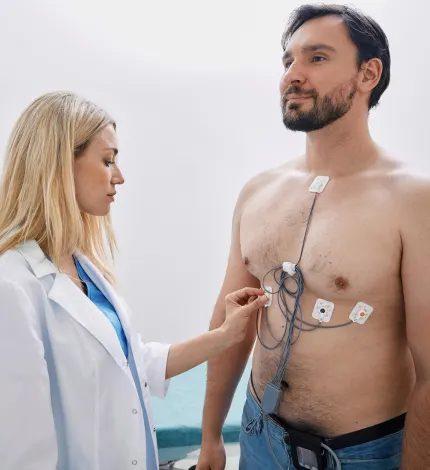
- Professional application of monitoring device
- Clear instructions for use
- Symptom tracking guidance
Data Analysis & Interpretation
- Expert review of recorded heart rhythms
- Correlation of symptoms with rhythm abnormalities
- Detailed diagnostic reporting
Follow-Up & Treatment Planning
- Discussion of results
- Medication adjustment if needed
- Referral for advanced cardiac care when appropriate
Who Should Consider Heart Rhythm Monitoring?
Heart rhythm monitoring is often recommended for patients who:
- Have intermittent symptoms that don’t appear during a routine exam
- Are at risk for atrial fibrillation or other arrhythmias
- Have abnormal ECG results needing further evaluation
- Need evaluation before or after cardiac procedures
- Are experiencing unexplained palpitations, dizziness, or fainting
Early detection leads to improved outcomes and tailored cardiac care.
Why Choose Pioneer Medical Associates for Heart Rhythm Monitoring
Patients in Frisco, Sherman, and Carrollton, TX trust Pioneer Medical Associates for:
- Advanced cardiac diagnostic technology
- Experienced cardiovascular providers
- Personalized rhythm evaluation plans
- Clear communication and patient education
- Coordinated cardiology follow-up care
We are committed to delivering accurate heart rhythm diagnosis and comprehensive cardiac care close to home.
What to Expect During Monitoring
Monitoring is designed to be simple and unobtrusive so you can maintain your typical routine.
01.
Initial Setup
A trained clinical specialist applies electrodes and explains how the device works.
02.
Monitoring Period
Wear the device during normal activities; log symptoms as instructed.
03.
Return & Review
You return the device; data is analyzed and interpreted by our cardiology team.
04.
Follow-Up Plan
We discuss results and next steps for treatment or further evaluation.
Insurance & Accessibility
Most major insurance plans cover medically necessary Holter and Event monitoring services. Our team can verify your coverage and assist with scheduling.





Schedule Your Chest Pain Evaluation
If you are experiencing palpitations, dizziness, fainting, or irregular heartbeat in Frisco, Sherman, Carrollton, or nearby North Texas, Pioneer Medical Associates offers advanced Holter and Event monitoring to help identify the cause. Protect your heart rhythm with accurate monitoring and expert care.
Frequently Asked Questions
Pioneer Medical Associates offers advanced Holter and Event Monitor testing for patients in Frisco, Sherman, Carrollton, and surrounding North Texas communities to diagnose irregular heart rhythms.
A Holter monitor records your heart rhythm continuously for 24–72 hours, while an Event monitor is used for longer-term monitoring (up to 30 days) and records rhythm abnormalities when triggered by symptoms or automatically detected.
You may need monitoring if you experience palpitations, dizziness, fainting, irregular heartbeat, or unexplained fatigue. These devices help detect intermittent arrhythmias not captured during a routine ECG.
No. Both devices are lightweight, non-invasive, and designed to be worn comfortably during normal daily activities.
Most standard Holter monitors should not get wet. Your provider will give specific instructions based on the device used.
After returning the device, your heart rhythm data is analyzed by our cardiology team. Results are typically reviewed and discussed during a follow-up appointment.
Most major insurance plans cover medically necessary heart rhythm monitoring. Our team can verify your benefits prior to your appointment.
If an arrhythmia is identified, your provider will recommend appropriate treatment, which may include medication adjustments, further testing, or referral for specialized cardiac care.